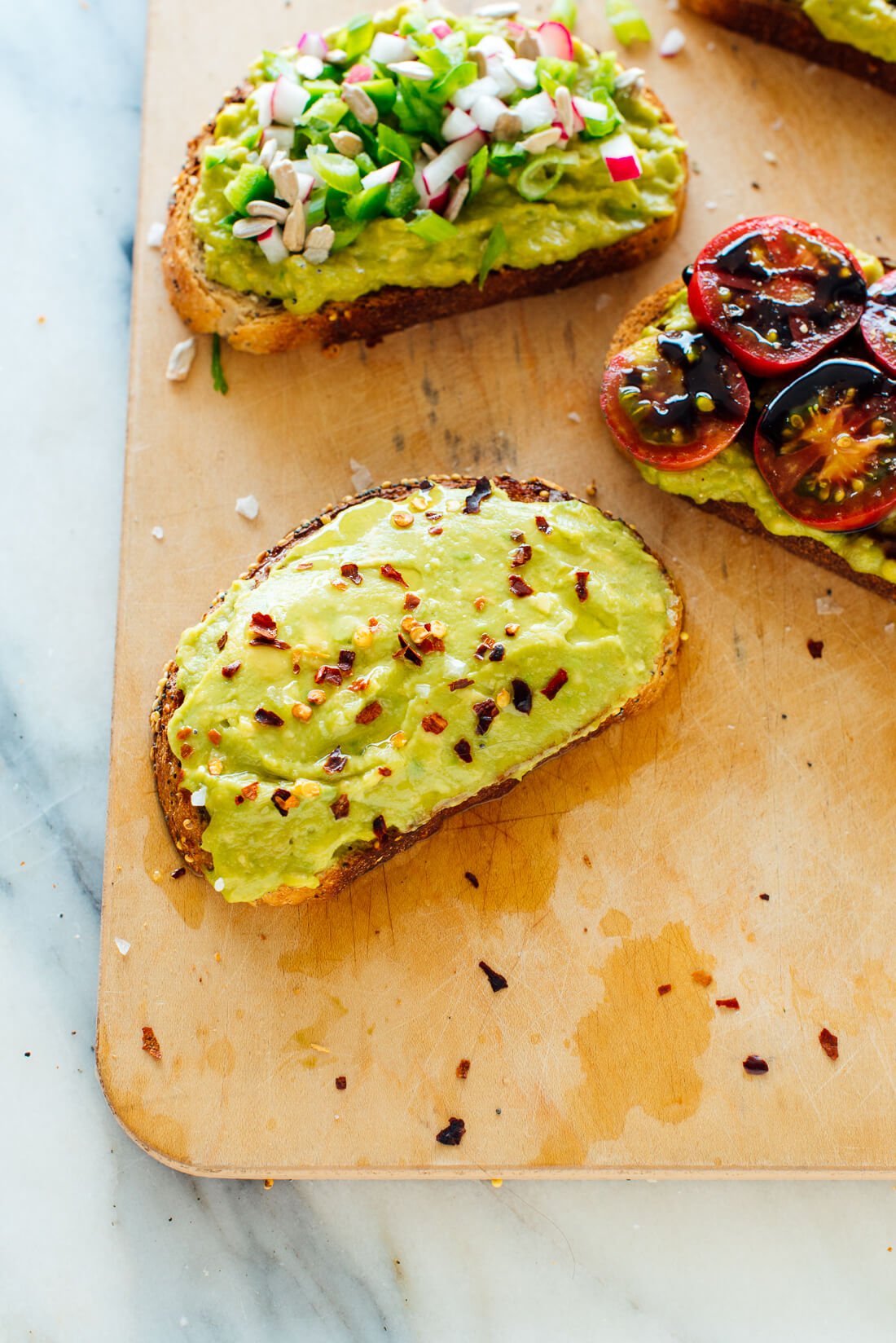
Secrets to Perfect Avocado Toast: No More Soggy Bread!
There's nothing quite like the creamy, rich goodness of avocado toast. It's a culinary darling – a breakfast hero, a brunch superstar, and a satisfying snack packed with healthy fats and fiber to keep you feeling full. But here's the confession many share: the dream of a perfectly crisp, perfectly topped slice can quickly turn into a soggy, crumbly nightmare. If you've ever experienced the disappointment of your avocado toast collapsing under its own weight, you're not alone. The good news? Achieving that ideal balance of crunchy bread and luscious avocado isn't a secret held by celebrity chefs. It's an art you can master, and we're here to reveal the secrets to a truly perfect avocado toast – one that stays structurally sound and deliciously crisp until the very last bite.
The Foundation of Flavor: Choosing Your Ingredients Wisely
The journey to perfect avocado toast begins long before you even consider toasting. The quality of your core ingredients – the avocado and the bread – dictates the entire experience. Skimp on these, and you're already fighting an uphill battle against sogginess and blandness.
Perfecting the Avocado Pick: Creaminess is Key
First, let's talk about the star of the show: the avocado. A perfectly ripe avocado is paramount. For most avocado toast recipes, especially those involving mashing, you want an avocado that yields gently to pressure but isn't mushy. Haas avocados are often the top choice for their exceptionally soft, silky texture, nutty flavor, and ease of mashing. A large, 8-ounce avocado typically provides enough mashed fruit for two generous servings, about ½ cup.
While a slightly softer avocado works well for mashing, if you plan to fan out elegant slices for presentation, you'll want one that's firm enough to hold its shape beautifully. Overly ripe avocados can become watery and contribute to a less appealing texture. For more in-depth guidance on selecting, ripening, and preparing your avocados, you'll find invaluable tips in The Ultimate Avocado Toast Guide: From Ripe Avocados to Perfect Toast.
The Bread Base: Your Anti-Soggy Shield
This is arguably the most critical component in preventing soggy avocado toast. Your bread isn't just a vehicle; it's a structural necessity. Thin, flimsy bread will crumble under the weight of even the lightest toppings, quickly absorbing moisture and turning into a sad, damp mess. Instead, opt for hearty, robust varieties. Favorites include:
- Sourdough bread: Its rustic crust and chewy interior make it an excellent choice.
- Crusty artisan no-knead bread: Offers superb texture and structure.
- Sprouted whole grain bread: A nutritious option that often has a good sturdy crumb.
- French or Italian loaves: When sliced properly, they provide a satisfying bite.
- Thick-cut white or wheat bread: Look for denser varieties rather than airy, supermarket loaves.
- Your favorite gluten-free bread: Many GF options are now formulated to be wonderfully sturdy.
The key here is thickness. Your slices should be at least ½-inch thick. This ensures the bread can toast properly, developing a sturdy, crisp exterior while maintaining a soft, yielding center. This robust foundation is your first line of defense against sogginess, creating a barrier between the moist avocado and the bread itself.
Mastering the Toast: Achieving Golden Perfection
Even the best bread can be ruined by improper toasting. The goal isn't just warmth; it's a golden brown, crisp surface that provides both structural integrity and a delightful textural contrast to the creamy avocado.
Precision Toasting for a Few Slices
For making just a few slices, a traditional slotted toaster or a toaster oven works wonderfully. The trick is to toast it a little longer than you might for a regular piece of buttered toast. You want a deep golden brown, almost to the point where you think it might be too much, but not burnt. This extra toasting helps create a firmer surface that resists moisture absorption.
Broiling for a Crowd: Speed and Vigilance
If you're preparing avocado toast for a larger group, the oven's broiler is your best friend. Arrange bread slices on a baking sheet and place them under the broiler. The intense, direct heat will turn the surface golden brown in a matter of minutes – often less than two. Crucially, do not step away! Broilers work incredibly fast. Check every 30 seconds to prevent unwanted charring. Flip the bread once one side is toasted to your liking, and broil the other side.
The perfect toast creates a slight barrier, preventing the avocado's moisture from immediately penetrating the bread. It provides that satisfying crunch that makes avocado toast so enjoyable, offering a textural counterpoint to the soft avocado. A poorly toasted, pale slice is simply an invitation for sogginess.
Avocado Application: Mash, Slice, or Both?
How you apply the avocado to your toast also plays a role in its overall success and structural integrity. Both mashing and slicing have their merits, depending on your desired outcome and toppings.
The Art of the Mash: Flavor and Adhesion
Mashing avocados offers several benefits. The texture becomes naturally stickier, which is ideal for "locking" larger, more varied toppings onto your toast. When mashed, you also have the perfect opportunity to infuse flavor directly into the base. Always season your mashed avocado with a squeeze of fresh lemon juice (or lime juice), a generous pinch of salt, and a grind of black pepper. The citrus not only brightens the flavor but also helps prevent the avocado from browning too quickly.
For optimal results, don't over-mash. A few small chunks add pleasant textural interest without compromising the creamy consistency.
Elegant Slices for Presentation
Perfectly fanned avocado slices offer an undeniably beautiful presentation, making your toast look like it belongs on a gourmet brunch menu. This method works best when you plan to use minimal, lighter toppings. However, be mindful that slices can be more slippery than mashed avocado, making it harder to keep heavier or multiple toppings in place. If you're going for slices but still want some stability, consider a very thin smear of mashed avocado or a light spread of cream cheese first, then arrange your slices on top. This provides a bit of "glue" without sacrificing the visual appeal.
Beyond the Basics: Elevating Your Avocado Toast (and Avoiding Moisture Traps)
Once you have your perfectly toasted bread and seasoned avocado, the world of toppings is your oyster. But beware: some toppings, while delicious, can be silent saboteurs of crispness if not handled correctly. For a wealth of creative and delicious ideas, explore Beyond Basic: 6 Flavorful Avocado Toast Recipes & Topping Ideas.
Essential Seasonings & Flavor Boosters
Start with the basics: a drizzle of high-quality extra-virgin olive oil, a sprinkle of flaky sea salt, and freshly ground black pepper. From there, consider:
- Chili flakes: For a touch of heat.
- Everything bagel seasoning: A savory, textural crunch.
- Fresh herbs: Chopped parsley, cilantro, or chives for brightness.
- A squeeze of sriracha or hot sauce: For an extra kick.
Strategic Topping Choices (Anti-Soggy Strategy)
This is where many go wrong. Juicy toppings, if not properly managed, can quickly turn your perfect toast into a soggy mess. Here are critical tips for preventing moisture traps:
- Drain juicy ingredients: If adding chopped tomatoes, roasted peppers, or other watery vegetables, pat them dry with a paper towel first.
- Layer wisely: Place ingredients that are more likely to leach moisture on top of drier components or add them right before serving. For example, don't put a layer of watery salsa directly on the avocado and let it sit.
- Mind the dressing: If using a dressing or vinaigrette, drizzle it just before serving, and use it sparingly.
- Consider a barrier: For very wet toppings, a thin spread of cream cheese, hummus, or even a leaf of lettuce between the avocado and the topping can act as a protective barrier.
- Don't overload: While tempting, piling too many heavy or moist toppings can overwhelm your toast's structure. Aim for balance and thoughtful combinations.
- Serve immediately: Avocado toast is best enjoyed fresh. The longer it sits, the more time moisture has to migrate from the avocado and toppings into the bread.
Popular, anti-soggy friendly toppings include a fried or poached egg (draining excess water from poached eggs is key!), smoked salmon, radish slices, cucumber ribbons, feta cheese, or even a sprinkle of toasted seeds or nuts for added crunch.
Conclusion
Say goodbye to soggy bread and hello to the avocado toast of your dreams! By paying close attention to your ingredient choices – especially a sturdy, thick-cut bread and perfectly ripe avocados – mastering your toasting technique, and applying your avocado and toppings thoughtfully, you can achieve that elusive balance of crispness and creamy deliciousness every time. It's a simple dish, but one that rewards careful preparation with unparalleled flavor and texture. So go forth, experiment with your favorite toppings, and savor every perfect, non-soggy bite!
